
Why Social Media Has Become the Virtual Waiting Room for Modern Patients
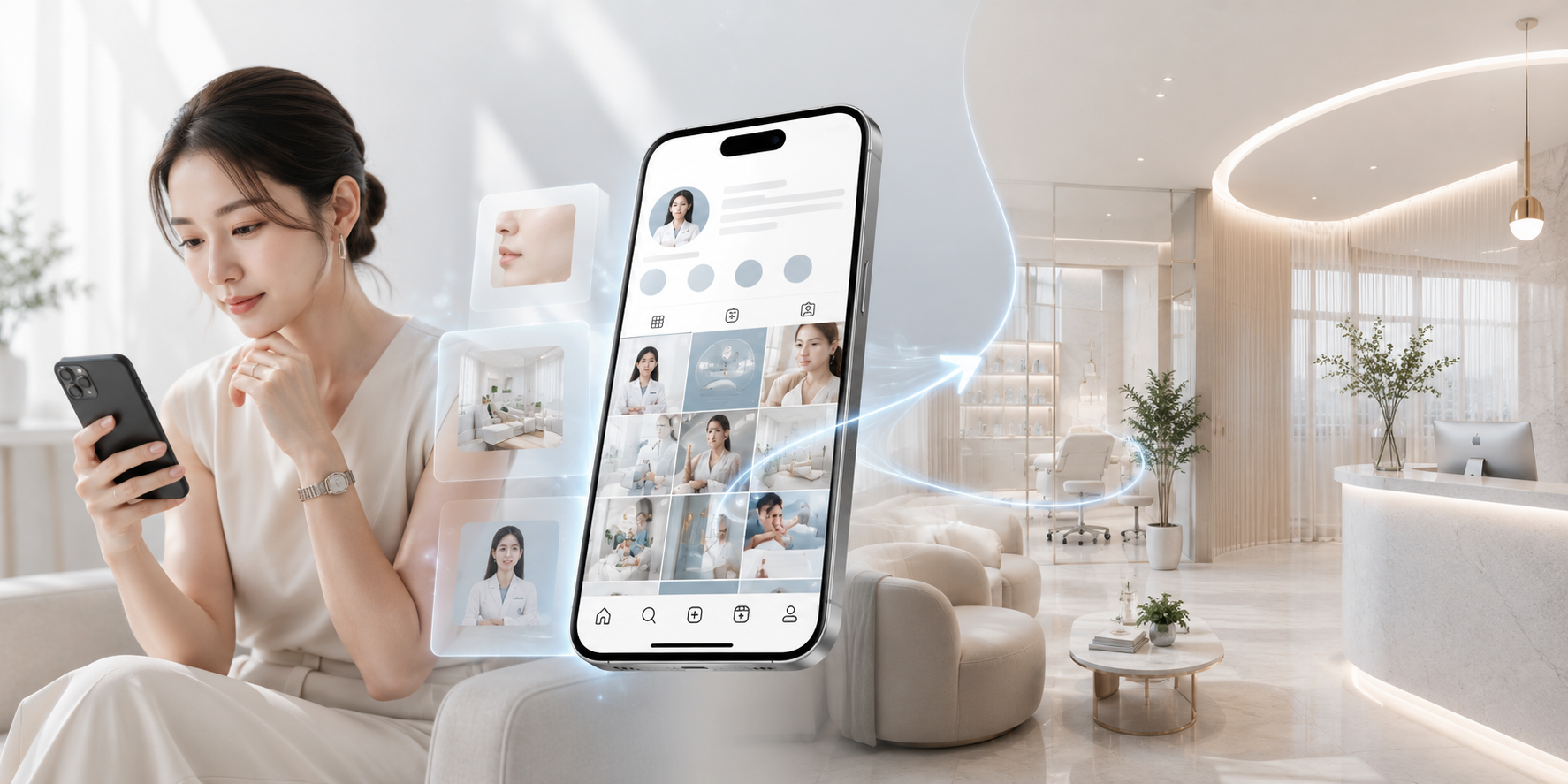
In today's digital age, social media has transformed into a crucial virtual waiting room for prospective patients even before they step into a clinic. For healthcare professionals, an optimized social media presence is no longer optional; it's a cornerstone of effective doctor branding and medical marketing.
Cultivating a Powerful First Impression Online
Before any in-person consultation, patients often form their initial perceptions based on a doctor's online presence. A meticulously curated Instagram feed, for instance, showcasing professional healthcare communication and consistent brand aesthetics (e.g., cohesive color palettes), significantly outperforms generic or unbranded profiles in attracting patient interest. This visual professionalism is key to establishing patient trust and a strong online reputation.
The Power of Educational and Empathetic Content
Beyond polished visuals, high-quality content is paramount. Sharing educational healthcare content, such as before-and-after patient stories or video explanations of treatment procedures, conveys a doctor's genuine care and medical expertise. This approach fosters a deeper connection and sense of reliability, resonating far more effectively with potential patients than overt promotional posts. It highlights a commitment to patient education and transparency, vital for patient engagement.
Fostering Patient Engagement Through Interaction
Active audience engagement is another critical component of successful medical social media marketing. Promptly responding to comments and offering free, informative advice via platforms like Facebook chats allows interested individuals to begin building a relationship with the doctor's brand. This direct interaction demonstrates accessibility and a patient-centric approach, strengthening patient loyalty and encouraging new patient acquisition.
Statistics Underpinning Patient Decision-Making
Authentic communication, particularly through treatment-focused content and the projection of a warm, empathetic image, profoundly influences patient decision-making. Research indicates that 60% of patients prioritize a doctor's care and compassion as a primary factor when choosing a healthcare provider . This statistic underscores the importance of integrating empathy in healthcare marketing strategies to build lasting relationships.
Conclusion: Professionalism and Empathy in the Digital Sphere
Ultimately, a doctor's social media presence serves as a public declaration of their professionalism and patient-centered care. The more relevant, informative, and high-quality the content—coupled with genuine interaction—the greater the patient confidence and the easier it becomes for individuals to choose that clinic. Effective doctor branding in the digital age is about consistently communicating expertise, care, and empathy to build a trusted healthcare brand.
"A doctor's social media presence is a public communication of professionalism and patient-centered care. The more relevant and high-quality the content—such as providing insightful information and engaging sincerely—the more trust is built, making it easier for patients to choose that clinic. — Doctor Branding"
Become the doctor patients ask for by name.
Applications are reviewed personally, and we take on a limited number of doctors each quarter. If the timing is right, we should talk.